
About the Author:

Training your dog is one of the most important investments you can make in their wellbeing—and your sanity. Group dog training classes offer unique advantages that go beyond basic obedience. Whether you’ve just brought home a new pup or you’re working with an adult dog, a group class can provide the structure, support, and socialization both you and your dog need.

1. Structured Learning Environment

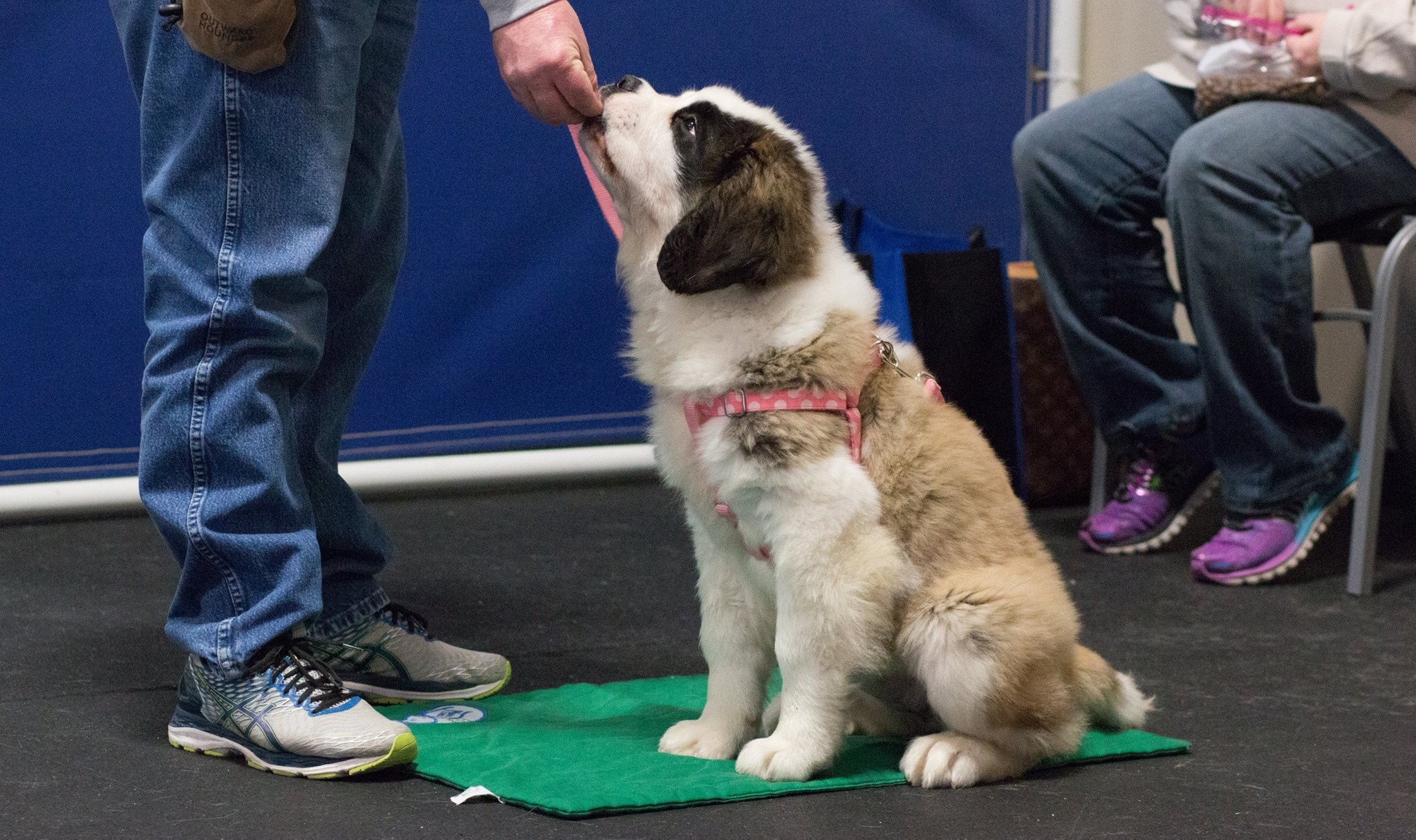
The best group classes which are organized by experience level (Puppy Preschool, Manners 1, Manners 2, etc.) and follow a curriculum that builds skills over time. This structure keeps you on track and motivated. Plus, having a set time each week to focus on progressing your dog’s training can help you stay consistent, which is key to long-term success.

2. Confidence Building

For dogs who are shy or timid, group training can be an empowering experience. As they become more comfortable in the presence of other dogs and new people, their confidence grows. And as your dog learns new skills and listens better even around other dogs and people, your confidence as a dog owner grows too. It’s a win-win.

3. Distraction Training

Dogs learn best when they can generalize trained behaviors across different environments and situations. Practicing “sit,” “stay,” and “leave it” in your quiet living room is one thing—doing it with other dogs, people, and distractions all around is another. Group classes naturally provide these distractions, in the midst of expert coaching, which helps your dog learn to listen and respond to you no matter what’s going on around them.

4. Socialization for Dogs and Humans

One of the biggest perks of group classes is the social setting. Dogs learn to behave in the presense of strange dogs and people in a controlled, supervised environment. This helps them become more confident and less reactive when encountering others out in the world. That’s an essential skill for any dog you’d like to accompany you beyond the confines of your home – on neighborhood walks, on trips, to a restaurant patio, to a festival, etc.  

But it’s not just your dog who benefits—you’ll meet other dog owners going through the same training challenges. It can be reassuring (and fun) to share stories, tips, and frustrations with fellow dog lovers. You might even make a few human friends along the way!

5. Expert Guidance at a Lower Cost

Compared to private lessons and drop-off training, group classes are generally more affordable while still giving you access to a top notch professional trainer. You’ll learn how to train new behaviors, reinforce positive habits, and read your dog’s body language—all under expert supervision.

And since you’re not the only one learning, you’ll often gain valuable insights just by observing how the trainer handles other dogs’ issues that might be similar to yours.


Final Thoughts

Whether your goal is to stop your dog from pulling on walks, help them behave around strangers, or simply deepen your bond, a group dog training class can be a game-changer. With the right trainer and a positive, patient approach, you’ll be amazed at how much progress your pup can make—and how much you’ll enjoy the journey together.

🐾 Thinking of enrolling? Look for a class with expert trainers, a focus on positive reinforcement, and a vibe that feels welcoming to both you and your dog. You’ll find all of those factors at What a Great Dog Training Center! Start with our free Class Readiness Evaluation. We hope you’ll come join the fun!

0 0

Why Group Classes?

Training your dog is one of the most important investments you can make in their wellbeing—and your sanity. Group dog training classes offer unique advantages that go beyond basic obedience. Whether you’ve just brought home a new pup or you’re working with an adult dog, a group class can provide the structure, support, and socialization both you and your dog... Read more
0 0

All Good Things Come to Those Who Crate

by Brittany Wingfield ADT, FDM How do you take your pup from a playpen to a crate? One word: SLOW. We love using appropriate playpens to help puppies transition into our homes, but moving them from a roomy pen into an appropriately sized crate can be a stressful change. Yet it you tackle this training early, your pup will be... Read more
0 0

Does it Matter HOW my Dog is Trained?

There are many different ways to change a dog’s behavior, but the common thread is that all effective methods require a motivator. These motivators can range from seeking treats and praise to avoiding punishment. Skilled trainers can achieve desired behaviors using any of these methods. So, if we’re all aiming for the same outcome, does the method really matter? The... Read more
0 0

Great tips for teaching your pup to play fetch

Article by Adrian Phillips Fetch can be an entertaining activity for both you and your dog. It is a great way to bond with your dog, and get them moving their bodies! Here are a few ways you can teach them to fetch, in as few as 5 steps! Read more
0 0

Canine Respiratory Illness Impact

The WAGD leadership team is keeping vigilant on the latest information on the current canine respiratory illness. We are in discussions with local veterinarians and are watching the American Veterinary Medical Association recommendations. Those sources indicate that the illness has  been confirmed in only five states, all of which are either on the east or west coast. This illness is... Read more
0 0

Tips for Living with a Blind Dog

Tips for Living with a Blind Dog by Paige Varvel, Trainer It can be challenging when a dog loses sight or if you’re adopting a blind dog into your home. There are many things to take into consideration when making your home a safe place for a pup with impaired or no vision.  Consider investing in a good pair of... Read more
0 0

Are Two Pups Better Than One? Insight on Littermate Syndrome

Littermate syndrome is the term given to behavioral issues frequently seen when two pups of a similar age are raised together.  It most often occurs when two pups from the same litter are adopted by a family, though it can also be seen when two unrelated pups are raised together.  Interestingly, significant behavioral science studies have not been conducted on... Read more