

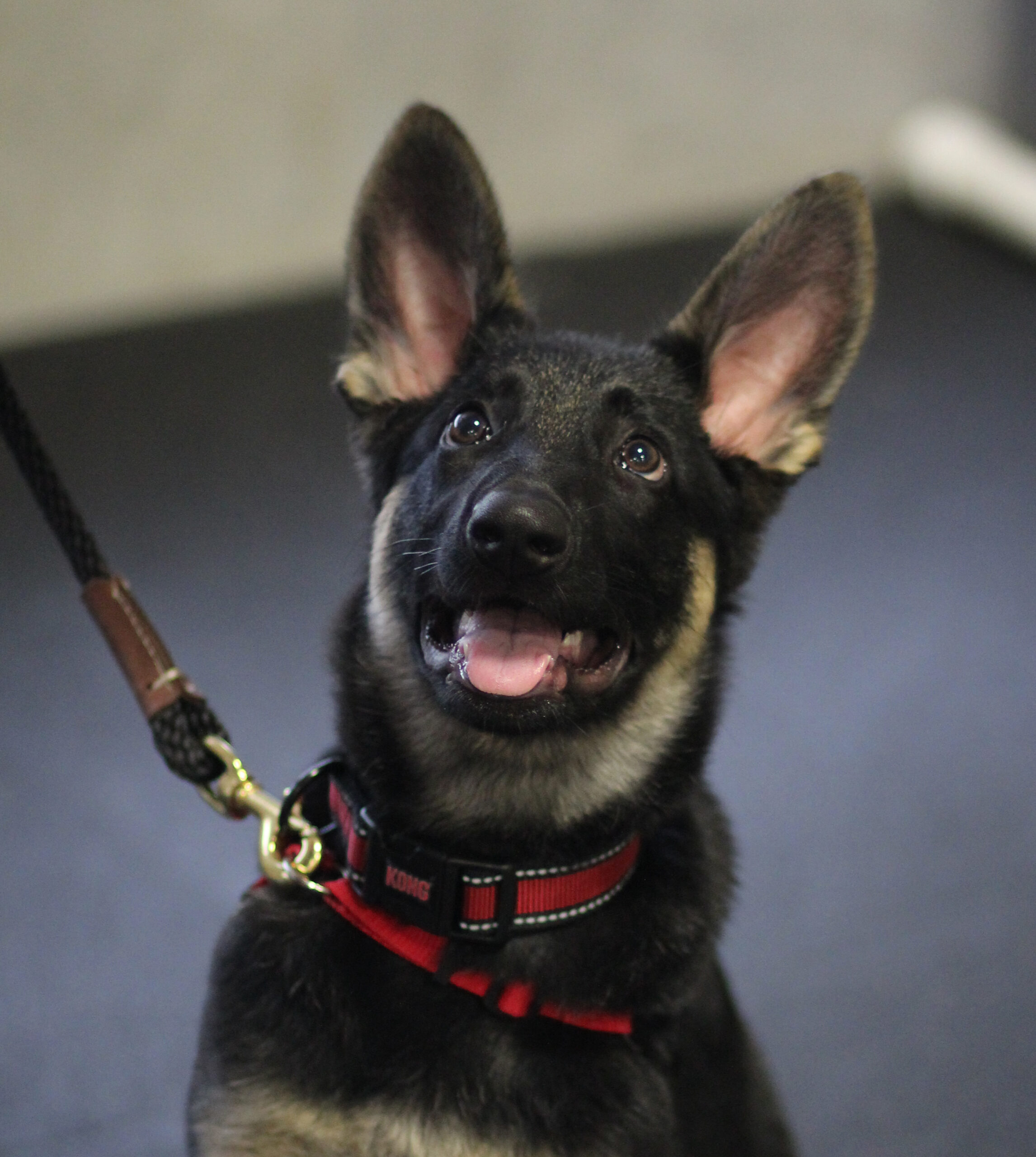
Socialization is the process of teaching your puppy that the world is safe.
One of the biggest misconceptions about puppy socialization is that it means letting your puppy meet and play with as many dogs and people as possible. In reality, the goal is much broader than that, and too much of that can actually create its own set of problems. The true goal of socialization is to help your puppy develop into a confident, emotionally resilient dog who can remain calm and comfortable in a wide variety of situations. A well-run puppy class can be one of the most valuable tools in helping you achieve that goal.
Positive experiences build confidence. Overwhelming or frightening experiences can do the opposite. Rather than trying to introduce your puppy to dozens of dogs, focus on creating positive, low-stress experiences. Your focus should be on letting your puppy observe the world at a comfortable distance (passive socialization) while earning treats, praise, or play. Be very selective in choosing the times you’ll let your pup directly interact with others.
Puppy Play Isn’t the Goal
While appropriate puppy play can be beneficial, it is only one very small part of socialization. It’s also important to realize that some puppies and many (maybe most!) adult dogs by nature will not enjoy playing with new dogs.
Ideally, puppies should get some opportunities to have positive, direct interaction with friendly dogs and people. Those greetings should be carefully selected and managed. Be aware that pups who are allowed to greet too many of the people and dogs they encounter often develop into “frustrated greeters”. These are dogs who have not developed the impulse control to calmly deal with seeing people or dogs. They expect every dog or human they see to result in a party, and behave accordingly.
Emphasize having your pup develop key skills which will serve him well throughout life. Examples include watching dogs or people calmly, walking by others without reacting, focusing on you around distractions and recovering quickly from excitement. All of these skills are most easily taught in a well-run puppy class.
Let Your Puppy Set the Pace
Never force your puppy to approach something that makes them nervous. Instead, give them the choice to investigate while pairing the experience with something they enjoy, such as treats or play. Confidence grows when puppies discover that new experiences are safe.
Expose Your Puppy to Everyday Life
Introduce your puppy to a wide variety of experiences, keeping sessions short and positive:
- Veterinary and grooming handling
- Different walking surfaces
- Traffic and bicycles
- Hats, umbrellas, wheelchairs, and strollers
- Friendly people of different ages and appearances
- Calm, vaccinated dogs
Teach Life Skills Along the Way
Socialization should include learning how to navigate the world confidently, with these important skills:
- Settle and relax
- Greet people politely
- Ignore distractions
- Recover after becoming excited
- Greet other friendly dogs politely (Note: not all dogs have the innate personality for this)
Remember the Goal
The best socialization develops a dog who can confidently walk through the world, remain calm around everyday distractions, and look to their owner for guidance when something unfamiliar appears.
Download the pdf here: More Than Puppy Play_ The Real Goal of Socialization